The Web Link In Between Menopause And Urinary Incontinence: An Organized Evaluation
Staying Clear Of Perimenopause Bladder Troubles
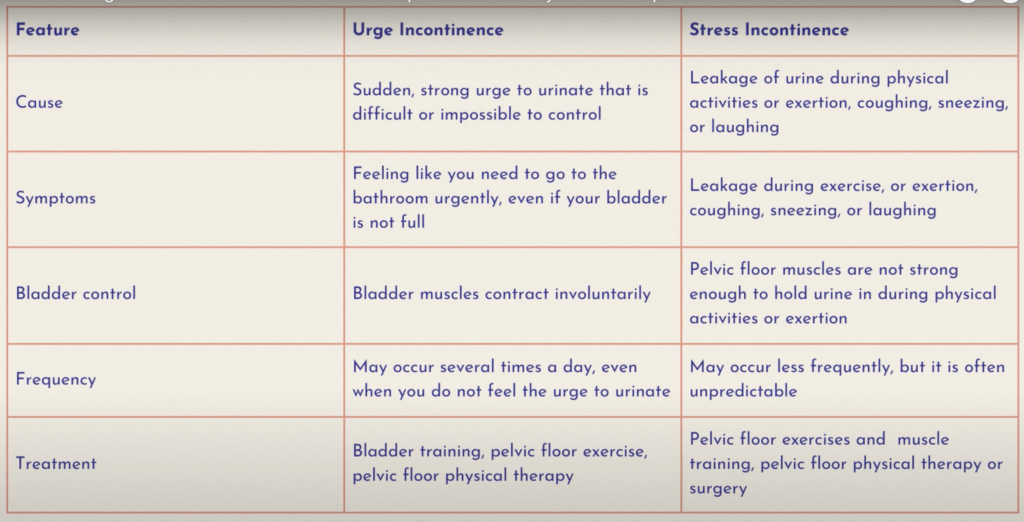
Kegel exercises entail relaxing and tightening up the pelvic floor muscles. The pelvic flooring muscle mass, which lie in check here between the tailbone and the pubic bone inside of the pelvis, assistance control the flow of urine. Anxiety urinary incontinence happens when the pelvic flooring muscular tissues become weak. Indication include urine leakage when laughing, sneezing, coughing or raising objects. Advise incontinence (over active bladder) is brought on by excessively energetic or irritated bladder muscle mass.They can also result from hormonal conditions like hypothyroidism, adrenal imbalances, or polycystic ovary disorder (PCOS). If you're susceptible to UTIs, speak to your carrier concerning cranberry supplements, as they have additionally been attended minimize the threat of infection. Sometimes, yes-- specifically when paired with various other way of life changes like hydration and physical treatment. Restore your liberty, self-confidence, and comfort with professional look after bladder and pelvic health.
Hormonal Agent Therapy
They may recommend Mirabegron (Myrbetriq), a special sort of drug called a beta-3 adrenergic receptor agonist, to enhance the amount of urine your bladder can hold. Topic estrogen items may also aid to tone your urethra and vaginal locations. Despite urinary incontinence being a typically reported sign during perimenopause and menopause, it is not a regular or inevitable result of getting older.
Just How Hormonal Fluctuations And Disorders Affect Urological Health
- However did you understand women can likewise experience bladder leakages during this time?
- Menopause brings several modifications-- hot flashes, state of mind swings, and in some cases unforeseen bladder concerns.
- Several females with urinary system incontinence have both tension and urge incontinence.
- Menopause is not the only factor to consider when trying to find a cause of urinary system incontinence.
- Each kind of incontinence has different reasons and administration approaches.
Keeping your pelvic floor and core in good shape can help to stop and reduce bladder troubles and reinforce your pelvic floor muscle mass during perimenopause. Way of living modifications can play a major duty in taking care of hormone-related urological problems. Consuming adequate water keeps the urinary tract healthy, yet preventing high levels of caffeine and alcohol can minimize bladder irritation. Understanding exactly how hormonal agents control these systems assists discuss common signs that emerge with age, maternity, or menopause.
Urinary system urinary incontinence might also take place if there is a problem with the nerves that regulate the bladder muscle mass and urethra. Urinary system incontinence can suggest you leakage a percentage of urine Bladder augmentation or launch a lot of pee all at once. The majority of people think about estrogen as the sex hormonal agent that plays a significant role in periods and maternity.
Your pelvic flooring muscles sustain your womb, bladder, little intestinal tract, and anus. The expert might be a urologist, that treats urinary troubles in both males and females, or a urogynecologist, who has unique training in the women urinary system. You may additionally require to see a pelvic flooring specialist, a type of physiotherapist, that will certainly collaborate with you to strengthen your pelvic floor muscles that support the urinary tract. Although ladies can experience urinary system incontinence (UI) throughout their life, the regularity of UI tends to take place more often when you get older. This loss of bladder control stems from hormone modifications that influence muscle toughness in your pelvic location. Women that are expectant, delivering, or going through menopause are all likely to have urinary incontinence. Incontinence can occur when the bladder muscle mass unexpectedly tighten up and the sphincter muscular tissues are not solid enough to squeeze the urethra shut. This causes an abrupt, solid urge to pee that you might not be able to manage. Stress caused by giggling, sneezing, or working out can trigger you to leakage urine.

Corrections
Spot something wrong? Send it to the desk and it gets fixed in the open.